

LinkedIn connection building is the key to genuine professional growth.
It doesn’t start with a big move. Most of the time, it begins quietly. A comment here. A simple message there. That’s how real relationships grow online, and honestly, that’s what LinkedIn connection building is really about. Not numbers. Not chasing every profile you see. Just people finding common ground over time.
These days, networking feels different. Instead of cold outreach, more professionals focus on conversations that feel natural. You share a thought, someone replies, and suddenly a connection makes sense. Little by little, trust builds. And before you know it, LinkedIn stops feeling like a digital résumé and starts feeling more like a living network shaped by real interactions.
Understanding LinkedIn Connection Building
It’s easy to think LinkedIn is just a numbers game. Add a connection. Get one back. Repeat. But real LinkedIn connection building is quieter, slower, and, honestly, a little more human than that.
Connections aren’t trophies. They’re doors. Some swing open fast. Some take months. And some never do—but each one teaches you something. That’s why the people who win on LinkedIn don’t just chase requests. They chase relevance.
What Real Networking Feels Like
Connecting is one thing. Building a relationship is another. Anyone can click “connect.” But who keeps showing up? Who notices what you post? Who actually replies?
Little things matter. A thoughtful comment. A short message that actually says something. Or even just consistently reacting to someone’s post. Slowly, familiarity grows. And when familiarity grows, trust isn’t far behind.
Teams at places like Prospect Labs get this. They don’t rush. They look for signals—shared goals, industries, or conversations that are already happening. Then, they step in naturally, instead of barging in.
Why People Respond
Here’s the secret: networking is still human. People notice effort. They notice attention. That’s why a personal note beats a generic template every time. And it’s why showing up consistently—commenting, liking, sharing—makes a difference.
You don’t have to be everywhere. Just be where it counts. A few genuine interactions each week beat blasting a hundred invites that get ignored.
Quality Beats Quantity Every Time
It’s tempting to fill your network with names. The more, the better, right? Not really. A smaller circle of people who actually care about what you do brings more value. They reply. They engage. Sometimes, they even bring opportunities you didn’t see coming.
Instead of asking, “How many connections do I have?” ask, “Who actually knows me?” That little shift changes everything. Suddenly, networking feels less like a chore and more like a conversation.
At the end of the day, understanding LinkedIn connection building isn’t about tricks or hacks. It’s about showing up, listening, and letting relationships grow—one small interaction at a time.
Optimizing Your Profile Before Building Connections
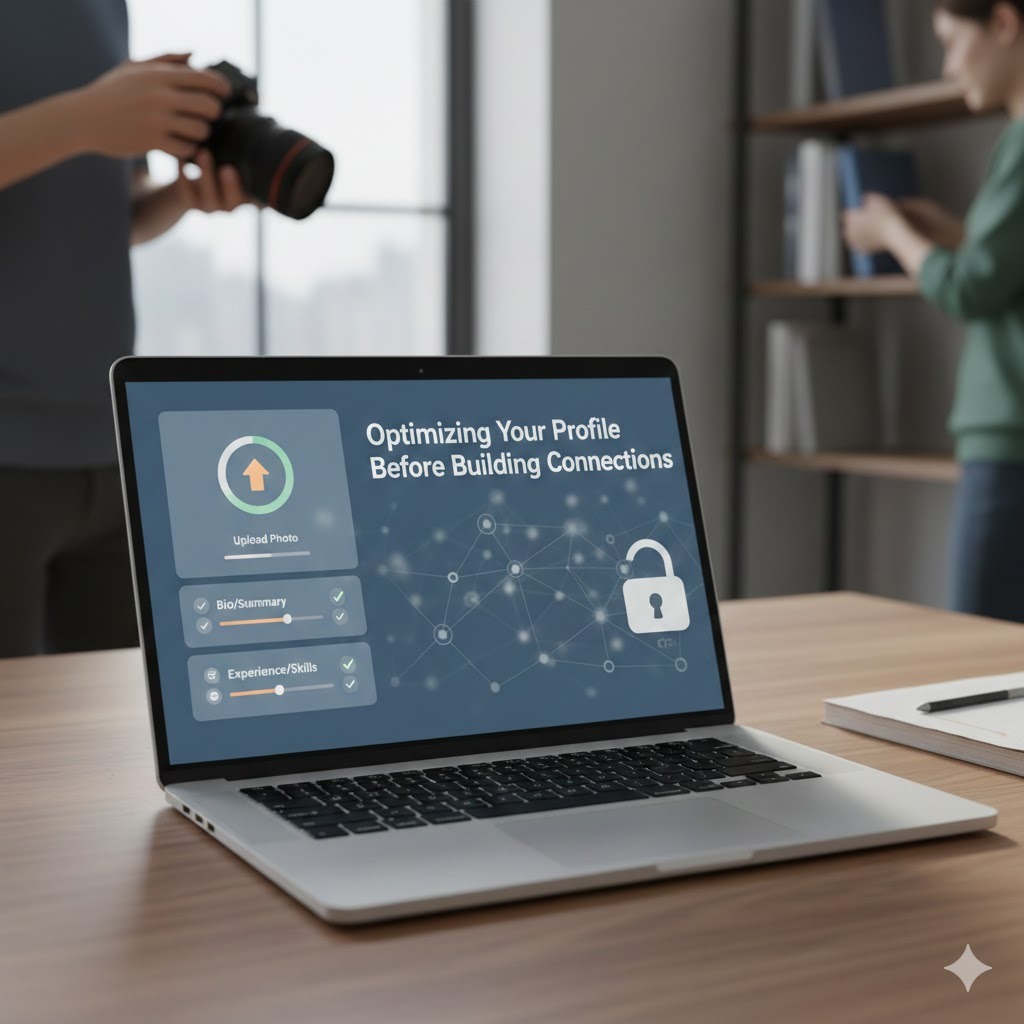
You can send a hundred connection requests. Still, if your profile doesn’t feel right, most of them won’t stick. Think of it like a handshake. Not the loud, flashy kind. The quiet one that actually tells someone, “I’m worth talking to.” That’s what a good profile does. And when it’s done right, LinkedIn connection building feels almost natural.
First Impressions Matter More Than You Think
People notice fast. Really fast. Your profile photo isn’t just a photo—it’s the first word in your conversation. Friendly, clear, professional. That’s enough to start strong.
Then there’s your headline. It isn’t a title. It’s a chance to say, “This is me. This is what I do. And maybe, this is why it matters to you.” Keep it simple. Keep it human. And don’t forget the banner. It’s subtle, but it works. A little personality, a little story. Nothing flashy. Just something that says, “This is my space. Welcome.”
About Section: Tell Your Story, Not Your Resume
Most people make this mistake: they list accomplishments like a robot. But real people connect with stories. So, tell yours. Why did you start your career? What drives you forward? Even a small challenge you’ve overcome makes someone pause. It makes you feel real.
Write it like you’re chatting over coffee. Not like you’re drafting an application. When people read it, they should feel they know you a little. Enough to hit “connect.”
Show Value, Without Shouting
Profiles are about value. But subtlety works best. Instead of “I’m the best at X,” show it. Highlight projects, collaborations, small wins. Authenticity draws people in. It makes building professional connections feel natural instead of forced.
Skills, Endorsements, and Recommendations
These still matter. But only if they make sense. Pick skills that match what you want to do. Get endorsements from people who know your work. And recommendations? Think of them as little trust notes. Anyone visiting your profile sees them and thinks, “Okay, this person actually does what they say.”
Keep It Alive
Finally, your profile isn’t a museum. Update it. Post new projects. Share insights. Even small posts help. People notice activity. They notice effort. It makes you approachable. And when you’re approachable, connection requests feel natural.
At the end of the day, a polished profile doesn’t just look good. It opens doors. It makes LinkedIn connection building easier. Conversations start without effort. People notice. And slowly, one connection leads to another—without you chasing numbers.
LinkedIn Networking Strategies That Actually Work

Most people jump straight into sending requests. It feels productive, but it rarely builds real momentum. Instead, slow it down a little. Spend time where your audience already hangs out. Read their posts. Drop a genuine comment. Add a thought that moves the conversation forward.
Over time, something subtle happens. Your name starts to feel familiar. And familiarity lowers resistance. So when you finally send a connection request, it doesn’t land like a cold knock on the door — it feels like a natural next step.
Turn Small Interactions Into Real Conversations
Here’s where many LinkedIn networking strategies go wrong. They focus on volume instead of timing. But engagement first changes the tone completely. Leave a thoughtful response under someone’s content. Come back later with another insight. Then, when you connect, mention that moment briefly.
It’s simple, but it works because people remember interactions more than introductions. And honestly, this is where LinkedIn connection building starts to feel less like outreach and more like relationship-building.
Keep Messages Human, Not Perfect
Long, polished connection notes can feel heavy. On the other hand, short and natural messages often land better. Think of it like starting a conversation at an event — you wouldn’t deliver a speech, right?
A quick line about why you enjoyed someone’s post or what you found interesting is enough. No need to oversell. No need to sound overly professional. Real beats rehearsed every time.
Build Rhythm Instead of Rush
It’s tempting to do everything at once — send fifty requests, comment everywhere, post daily. But networking tends to reward consistency more than intensity. Spend ten focused minutes engaging with people who genuinely interest you. Then step away.
Day by day, those small actions stack up. People begin to recognize your presence, and recognition quietly builds trust.
Use Visibility in Small Ways
Not every move needs to be big. Sometimes a thoughtful comment is more than a long post. When you add a perspective that helps others see something differently, you become part of the conversation — not just an observer. And the more you show up like that, the more your network grows without feeling forced.
Let Relationships Lead the Process
At the end of the day, strong networks don’t grow from tactics alone. They grow from small, genuine exchanges repeated over time. Reply to comments. Follow up after meaningful chats. Appreciate the people who engage with you.
Slowly, connections stop feeling like numbers on a profile. They turn into real professional relationships. And once that shift happens, networking stops feeling like work — it starts feeling like a natural extension of how you communicate online.
Building Professional Connections

Strong networks don’t appear overnight. They grow in small, almost unnoticeable ways. A comment here. A reply there. Maybe a shared idea that turns into a short conversation. At first, it didn’t feel like progress. Yet slowly, familiarity starts to build.
That’s often how LinkedIn connection building works best. Not loud. Not rushed. Just steady interaction that feels natural instead of planned.
Look for People, Not Just Profiles
It’s easy to see job titles and think in terms of opportunity. But real connections form when you notice the person behind the headline. Read what they write. Pay attention to how they think. Respond to something that genuinely interests you.
For example, if someone shares a lesson from their work, add your perspective instead of agreeing with a single word. That extra thought shows presence. And presence makes conversations feel real. Gradually, those small exchanges turn strangers into familiar names on your feed.
Let Conversations Grow at Their Own Pace
Not every connection needs a long message or a structured plan. Sometimes a simple “appreciated your take on this” is enough. Other times, the conversation pauses and picks up weeks later. Both are normal.
In fact, forcing constant interaction often does more harm than good. People value space. They respond better when the connection feels relaxed rather than pushed forward.
So instead of trying to control the outcome, focus on keeping the tone human. Ask a question when it makes sense. Share a thought when you have something meaningful to add. Then allow the relationship to unfold naturally.
Small Actions Create Lasting Impressions
Building professional connections rarely comes from big gestures. It’s the small habits that make a difference. Congratulate someone when they reach a milestone. Support their content with a thoughtful reaction. Mention them when their insight helps you see something differently.
These moments don’t take much time. Yet they quietly build trust. And trust changes how people respond to you. Over time, your network stops feeling like a list of contacts and starts feeling like a familiar community.
Stay Consistent, Stay Real
There’s no perfect formula here. Some days you’ll be more active, other days less. What matters is showing up honestly. Write the way you speak. Keep your tone clear and approachable. Avoid turning every interaction into a strategy.
Because the truth is, building professional connections isn’t about doing more — it’s about doing things with intention. When you stay consistent, even simple interactions gain meaning.
Eventually, something shifts. Conversations feel easier. People remember you without reminders. And what started as a few quiet exchanges becomes a network that grows on its own rhythm — steady, human, and genuinely connected.
LinkedIn Lead Generation Without Spam
Lead generation on LinkedIn often gets a bad reputation. Mostly because people rush straight into selling. Long messages. Quick pitches. Zero context. And honestly, most of it gets ignored.
A better approach begins slower. Focus on conversations first. Pay attention to what people talk about, what challenges they mention, and what interests them. When you understand the person, your message stops feeling like marketing and starts feeling relevant.
This is where LinkedIn connection building quietly supports everything else. When relationships exist before the offer, opportunities feel natural instead of forced.
Let Content Do the Heavy Lifting
You don’t always need to start conversations in the inbox. Sometimes your posts can open the door for you. Share lessons from your work. Talk about common problems in your industry. Offer small insights that people can actually use.
Over time, the right audience notices. They engage. They respond. And often, they reach out first. That’s the calm side of LinkedIn lead generation — creating value in public so you don’t have to push privately. It feels lighter, and it builds stronger interest because people already understand how you think.
Turn Conversations Into Opportunities — Slowly
Not every interaction needs a business goal attached to it. In fact, the best opportunities usually grow from ongoing discussions. Maybe someone comments on your post regularly. Maybe you exchange ideas through messages over time.
Instead of jumping ahead, look for the right moment. Ask questions. Listen carefully. When someone mentions a need that aligns with what you do, that’s when you can naturally share how you help.
Avoid the “Copy-Paste”
Mass outreach might look efficient, but it rarely builds real trust. People notice when a message feels generic. They scroll past it without thinking twice. So instead, slow down your approach. Write messages that reflect the conversation you’ve already had. Mention a specific detail. Keep the tone relaxed and respectful.
Even if you reach fewer people, the responses you get tend to be more meaningful. And meaningful conversations are what actually lead to long-term opportunities.
Think Long-Term, Not Instant Results
Lead generation doesn’t always happen right away. Sometimes the person you talk to today becomes a client months later. Other times, they refer you to someone else when the timing is right. That’s why patience matters here. Stay consistent with your presence. Continue adding value. Keep relationships warm without turning every exchange into a sales moment.
Eventually, the process starts to feel different. Instead of chasing leads, you notice them coming from conversations that already trust you.
And that’s the real shift. When your network sees you as helpful and genuine, opportunities grow quietly in the background, steady, respectful, and far away from anything that feels like spam.
The Future of LinkedIn Networking

Not too long ago, LinkedIn felt stiff. People wrote like they were drafting emails to a boardroom. Everything sounded polished, but not always real. Now, you can feel the shift. Conversations look lighter. Posts read more like thoughts than press releases.
And honestly, that change isn’t slowing down anytime soon. As more people grow comfortable showing personality online, networking starts to feel less like a task and more like a normal part of being present. That’s where LinkedIn connection building quietly evolves — away from rigid strategies and toward everyday interaction.
Relationships Are Replacing Reach
For years, bigger numbers looked impressive. More followers, connections and visibility. Yet many professionals are starting to realize that reach without relationships doesn’t go very far.
Instead, smaller circles are gaining value. Familiar names that appear often. People who actually respond, not just scroll. When trust grows inside these smaller communities, networking feels easier because conversations already exist. So the future might not be about growing wider. It might be about growing deeper.
Content Is Shifting Toward Conversations
Look closely at the way posts are changing. Less “announcement energy,” more open-ended thoughts. People ask questions. They share moments from their workday. They admit when something didn’t go as planned.
That openness invites replies. And replies create momentum. Interestingly, comments may become the real networking space. A short, thoughtful response can spark more connection than a long, carefully crafted post. It’s a quieter way to stay visible, yet it often feels more genuine.
Technology Will Grow — But People Still Lead
New tools will keep appearing. Automation will get smarter. Analytics will promise better reach. Still, none of that replaces real curiosity. People notice the tone. They notice intention.
If a message feels rushed or copied, it fades quickly. But when someone takes time to respond thoughtfully, that interaction sticks. So while the platform evolves, the core idea remains simple: listen first, speak second, and keep things human.
Networking May Start to Feel Effortless
The future doesn’t look louder. It looks calmer. Professionals are learning that they don’t need to chase every trend or post constantly to stay relevant. Showing up consistently — even in small ways — builds familiarity over time.
A comment here. A shared idea there. A thoughtful reply weeks later. Slowly, the platform begins to feel less like a crowd and more like a circle of ongoing conversations. And maybe that’s where LinkedIn networking is heading — toward something steady, personal, and built on genuine interaction rather than constant performance.
Conclusion
It doesn’t happen all at once. Building connections on LinkedIn is slow, a little messy, and sometimes surprising. One day a comment sparks a conversation. Another day, a simple message opens a door.
LinkedIn connection building is less about numbers and more about noticing people. Listening. Responding. Showing up. Little things pile up, quietly.
Over time, your network stops feeling like a list. It starts to feel like a community. Conversations flow. Opportunities appear. And suddenly, all those small actions — the comments, the notes, the thoughtful replies — come together. That’s the real win. That’s the network that sticks.