

The best lead generation tools help B2B teams find leads, start conversations, and grow pipelines without guesswork.
It rarely starts with a flood of leads. More often, it starts with silence. Empty inboxes. Sales teams refreshing dashboards and wondering what’s missing. Because in B2B, leads don’t just appear. They’re built—slowly, deliberately, and with intent.
That’s where the best lead generation tools come into play. Not as magic buttons, but as structure. They help teams spot the right people, start the right conversations, and keep momentum moving forward. Still, tools alone don’t solve the problem. How you use them matters just as much.
So before diving into platforms, features, and comparisons, it’s worth taking a step back. Understanding why lead generation feels hard is the first step to making it work—consistently.
Understanding Modern B2B Lead Generation

B2B lead generation doesn’t look the way it used to. And honestly, that’s a good thing. The old playbook to buy a list, blast an email, and wait for replies has lost its edge. Buyers are smarter now. Busier too. They don’t want to be chased. They want to be understood. That shift changes everything.
Buyers Move Before Sales Teams Do
Today’s B2B buyers start early. They research quietly, read and compare. By the time they talk to sales, they already know what they want or at least what they don’t. This means lead generation isn’t about being loud anymore. It’s about showing up at the right moment, with the right message.
That’s why timing beats volume. Ten well-timed conversations can outperform a hundred cold leads. Every single time.
From Lists to Real Signals
Modern lead generation leans heavily on signals. No guesses. Not assumptions. Signals. Things like intent, behavior, and engagement. Who visited your site? Who opened your emails? Also, who interacted twice, not once?
This is where structure matters. The best lead generation tools don’t just collect names. They connect dots. They help teams see patterns and act on them before interest fades. And when those tools are paired with a clear process, lead generation stops feeling random.
Conversations Over Campaigns
Here’s another big change. B2B lead generation has become more conversational. Less “campaign-first.” More “person-first.” Buyers respond to relevance. They notice when messages feel tailored instead of templated.
Outbound still works. Inbound still matters. But both need a human layer. A reason to respond. A reason to care. Tools can help scale this, but only if teams use them with intention.
Companies like Prospect Labs, for example, focus on building systems that support real conversations instead of flooding pipelines with low-quality leads. And that mindset is becoming more common for good reason.
Sales and Marketing Finally Share the Load
In modern B2B, lead generation doesn’t sit with one team anymore. Sales and marketing are tied at the hip. Marketing attracts and warms up interest. Sales steps in at the right moment. When that handoff works, momentum builds fast.
But when it doesn’t, it stalls. Opportunities fade. And frustration creeps in. That’s why alignment is no longer optional. Tools, processes, and people all need to move in the same direction.
Why It Feels Hard (And Why That’s Normal)
Lead generation feels harder today because standards are higher. Buyers expect relevance. Speed. Value. They ignore anything that feels generic.
The upside? When teams adapt, results compound. Conversations improve. Pipelines get cleaner. And growth becomes more predictable. Modern B2B lead generation isn’t about doing more. It’s about doing the right things, in the right order, with the right tools backing you up.
What Makes a Lead Generation Tool Actually Work

Most lead generation tools look good on the surface. Clean dashboards. Long feature lists. Big promises. But once teams start using them, the cracks often show. Because what makes a tool work isn’t how much it can do—it’s how well it fits into real workflows. That difference matters.
Clarity Over Complexity
The strongest tools feel simple. Not because they’re basic, but because they’re focused. They help teams do a few important things really well.
The best lead generation tools remove friction. They don’t slow teams down with extra steps or endless settings. Instead, they guide action. One clear next move. One clear outcome. When clarity leads, consistency follows.
Data You Can Trust
Lead generation lives and dies on data. Wrong titles. Old emails. Missing context. All of it wastes time. Good B2B lead generation software prioritizes accuracy. It updates often. It filters smartly. And it gives teams confidence that the person they’re reaching out to actually exists—and actually fits. That trust changes behavior. Reps reach out faster. Messages get sharper. Momentum builds.
Automation That Supports, Not Replaces
Automation is powerful, but only when used with care. The goal isn’t to remove humans from the process. It’s to free them up.
Strong tools automate repetitive tasks. Follow-ups. Reminders. Tracking. But they still leave room for judgment and personalization. When automation supports people instead of replacing them, outreach stays human—even at scale.
Timing That Feels Natural
Great lead generation tools understand timing. They track behavior. They notice patterns. And they help teams act before interest cools off.
This might mean alerting sales when a lead revisits a page. Or spacing messages so they don’t feel rushed. Small timing shifts like these often make the biggest difference.
Fit With Existing Workflows
No tool works in isolation. It has to fit with what teams already use. CRM. Email. Calendars. Reporting. When tools integrate smoothly, teams stop switching tabs and start moving faster. Information flows. Context stays intact. And follow-ups feel intentional instead of reactive.
Adoption Is the Real Test
Here’s the truth. If teams don’t use the tool, it doesn’t matter how good it is. The tools that succeed are the ones people actually adopt. They feel intuitive. They save time. And they show value early. When reps see quick wins, usage sticks.
Why Results Come Down to Process
Tools don’t create results on their own. Process does. Tools just support it. When teams choose tools that align with how they sell, lead generation stops feeling forced. It becomes repeatable. Predictable. And far more effective. That’s when tools finally do what they were meant to do—make growth easier, not louder.
Categories of Lead Generation Tools
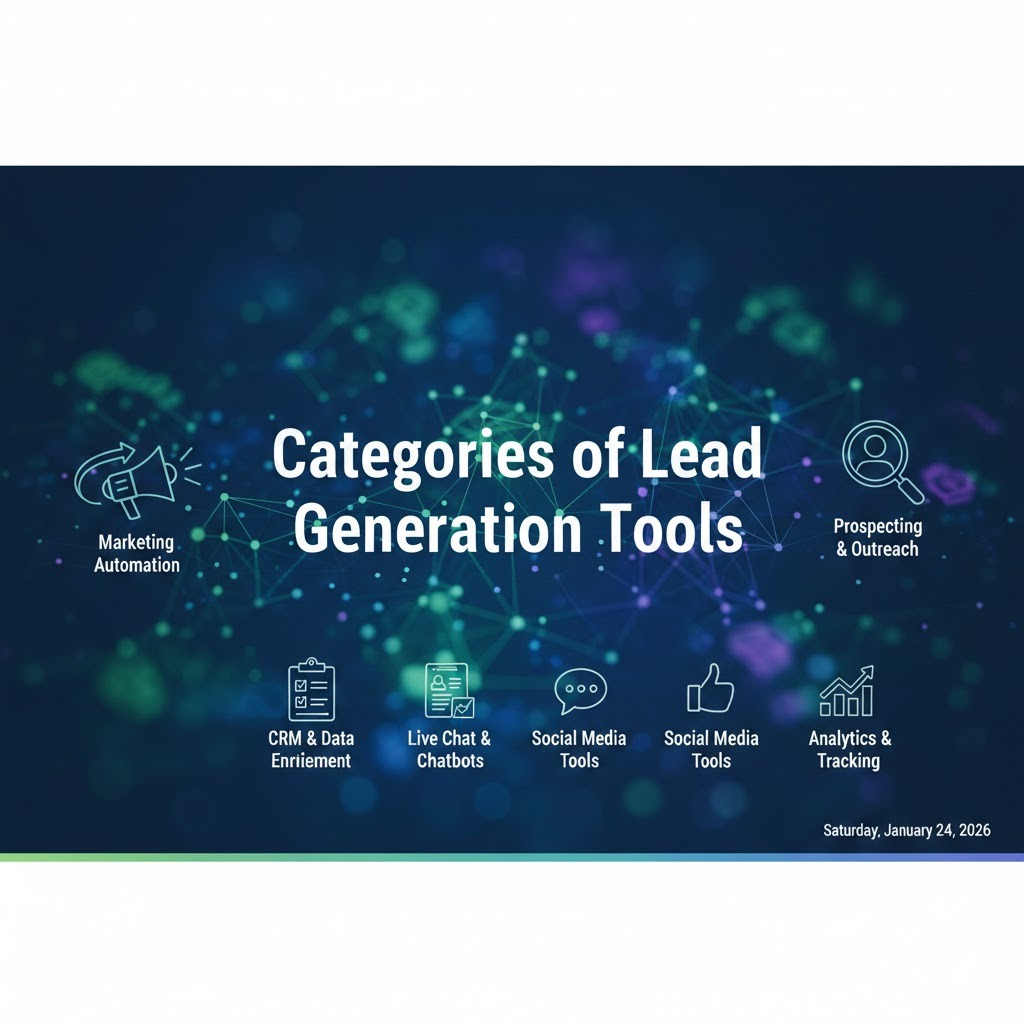
Lead generation tools come in many shapes. Some help you find people. Others help you start conversations. A few help you keep everything from falling apart once things get busy. Understanding these categories matters, because not every tool solves the same problem. And trying to use one tool for everything? That’s usually where teams get stuck.
Tools That Help You Find the Right People
Every lead journey starts with discovery. These tools focus on finding companies and decision-makers that match your ideal customer profile. They pull in data like company size, role, industry, and sometimes even buying signals.
Used well, they save time and sharpen focus. Used poorly, they turn into bloated lists no one wants to touch. The difference comes down to intent. The best lead generation tools don’t just give you more names. They help you narrow down the right ones.
Outbound Tools That Start the Conversation
Once you know who to reach, the next step is reaching out. This is where outbound lead generation tools step in. Cold email platforms, LinkedIn outreach tools, and sequencing software all live here.
But outbound today isn’t about sending more messages. It’s about sending better ones. These tools help space out touchpoints, personalize at scale, and follow up without feeling pushy. When done right, outreach feels less like a pitch and more like a conversation waiting to happen.
Lead Generation Tools for Sales Teams
Sales teams need visibility. They need to know who’s been contacted, who replied, and who’s going cold. That’s where lead generation tools for sales teams make a real difference.
These platforms tie leads to pipelines. They track activity. They remind reps when to follow up. Instead of guessing, teams work from one clear view. And when everyone sees the same data, handoffs get smoother and momentum builds faster.
Tools That Capture and Warm Up Leads
Not every lead comes from outreach. Many come in quietly—through content, forms, or landing pages. These tools focus on capturing interest and nurturing it over time.
They help turn visitors into leads and leads into conversations. More importantly, they create breathing room. Sales doesn’t have to rush. Marketing doesn’t have to push. The system does the warming naturally.
Why Categories Matter More Than Features
It’s tempting to compare tools feature by feature. But categories matter more. Each one plays a role. Together, they form a system. When teams understand what each category is meant to do, choices get easier. Stacks get leaner. And lead generation stops feeling chaotic. Because at the end of the day, tools should support the process—not complicate it.
Tools to Generate B2B Leads Across the Funnel
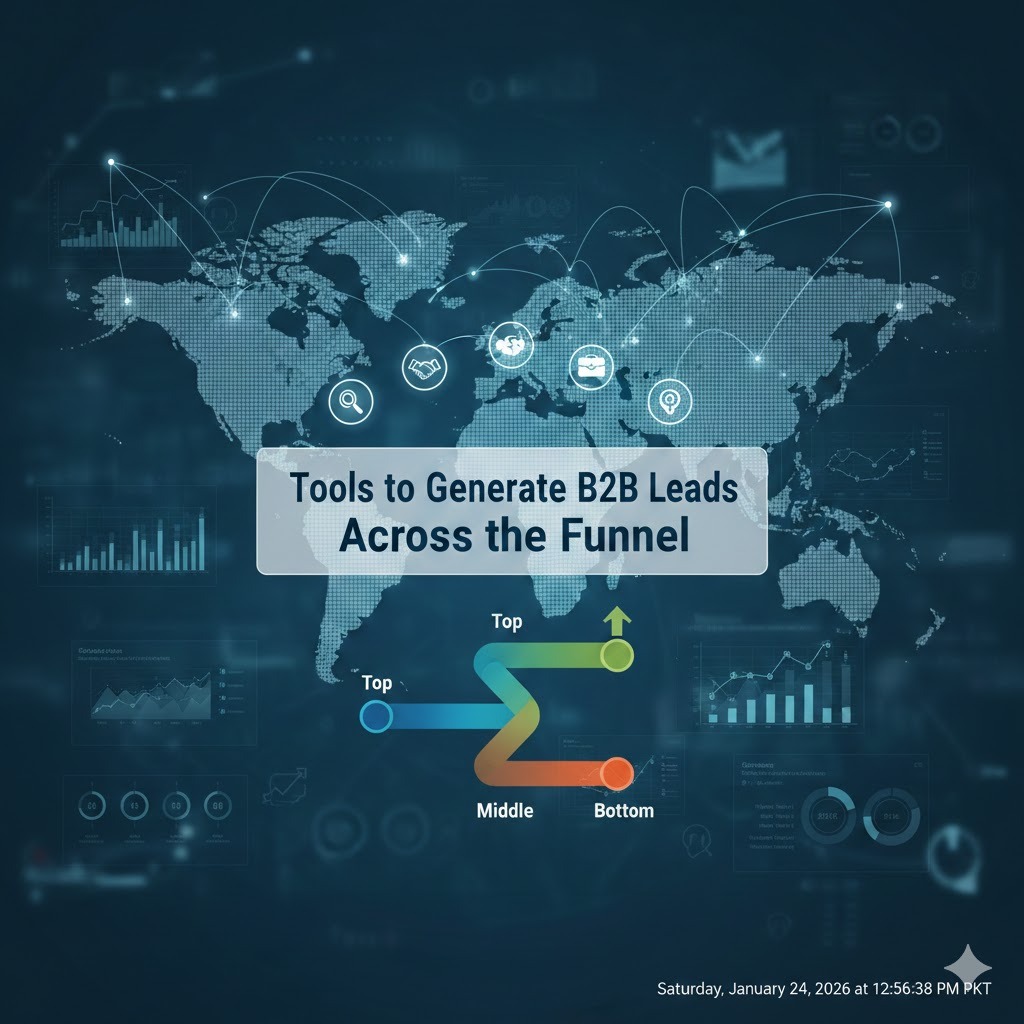
B2B lead generation isn’t a single moment. It’s a journey. Some prospects are just looking around. Others are almost ready to talk. And a few are already comparing options. The mistake many teams make is treating all of them the same. That’s where the funnel comes in.
Top of the Funnel: Creating First Touchpoints
At the top, it’s all about awareness. People don’t know you yet. They’re exploring problems, not solutions. Tools here focus on visibility and discovery.
Content platforms, website tracking tools, and prospecting databases all play a role. They help surface interest early. A page visit. A content download. A quiet click that signals curiosity.
The best lead generation tools at this stage don’t push for a meeting. They listen. They collect signals and prepare the ground for what comes next.
Middle of the Funnel: Turning Interest into Engagement
Once interest shows up, things change. Prospects want clarity. They want relevance. And they expect follow-up that makes sense. This is where engagement tools step in. Email sequencing platforms, retargeting tools, and lead nurturing systems help keep the conversation alive. Not loud. Not rushed. Just consistent.
These tools to generate B2B leads help teams respond at the right pace. They turn one interaction into two. Then three. Slowly, trust starts to form.
Bottom of the Funnel: Helping Buyers Decide
By the time leads reach the bottom, they’re warmer. More informed. Sometimes even impatient. Tools here need to remove friction, not add more steps. CRM systems, meeting schedulers, and pipeline tools help sales teams stay organized and responsive. Follow-ups happen on time. Context stays intact. Conversations feel smooth instead of scattered.
At this stage, speed and clarity matter most. The right tool can be the difference between momentum and a missed opportunity.
Why Funnel-Based Tools Work Better Together
No single platform covers the entire funnel well. And that’s okay. Each stage has different needs. Different signals. Different expectations.
When tools are chosen with the funnel in mind, everything feels more natural. Leads move forward instead of stalling. Sales and marketing stay aligned. And decisions are driven by behavior, not guesses.
The real win comes when tools work together—quietly supporting each stage, without forcing the journey. That’s how B2B lead generation becomes predictable, scalable, and human.
Lead Generation Platforms Comparison: What to Look For
Generated by AI
Comparing lead generation platforms can feel overwhelming. Feature lists get long. Demos sound similar. And every tool promises better leads, faster growth, and cleaner pipelines. But once the noise fades, the real differences are usually simpler than they look. It starts with knowing what actually matters.
Ease of Use Comes First
If a tool feels heavy, teams won’t use it. It’s that simple. Clean dashboards, clear workflows, and quick setup make a bigger impact than advanced features no one touches.
During any lead generation platforms comparison, ease of use should sit at the top of the list. When reps spend less time clicking around, they spend more time talking to prospects. And that’s where results live.
Data Quality Beats Data Volume
More data isn’t always better. Outdated contacts and generic info slow teams down and kill confidence. What matters is accuracy. Fresh details. Relevant signals.
The best lead generation tools focus on quality first. They help teams trust the data they’re working with. And when trust improves, follow-ups get sharper and conversations feel more natural.
Integration Keeps Everything Moving
Lead generation doesn’t happen in isolation. Tools need to connect with CRMs, email platforms, and scheduling systems. Without that flow, leads fall through cracks.
Strong integrations reduce manual work. They keep context intact. And they make sure marketing and sales stay aligned instead of working in silos.
Flexibility Matters More Than Features
Every team works differently. Some rely on outbound travel. Others lean inbound. Many do both. A good platform adapts to that reality.
Instead of chasing tools with the longest feature list, look for flexibility. Can you customize workflows? Adjust outreach timing? Scale up without breaking processes? Those details matter long after onboarding ends.
Pricing Should Match Growth, Not Pressure It
Pricing often hides the truth. Entry plans look affordable. Add-ons creep in later. Suddenly, costs climb faster than results. A solid platform grows with you. It supports small teams early and scales smoothly as volume increases. Transparency here saves frustration down the road.
Support and Reliability Are Silent Deal-Makers
Support rarely shows up on comparison charts. But when things break—or when teams need guidance—it becomes everything. Reliable platforms offer fast support, clear documentation, and regular updates. They don’t disappear after the sale. They stay involved as your system evolves.
Choosing With Clarity
At the end of the day, comparison isn’t about finding the “best” tool on paper. It’s about finding the right fit for your process. When teams look beyond hype and focus on usability, data, and flow, decisions get easier. And lead generation starts feeling less like guesswork—and more like a system that actually works.
Common Mistakes Teams Make When Choosing Lead Gen Tools

Choosing lead generation tools should feel exciting. New possibilities. Better pipelines. Faster growth. But in reality, many teams walk away frustrated. Not because the tools are bad but because the choice was rushed.
Chasing Features Instead of Solving Problems
It’s easy to get distracted by long feature lists. Dashboards packed with options look impressive during demos. But once the tool is live, most of those features sit untouched.
The best lead generation tools solve one or two real problems clearly. Teams that start with “what’s broken today?” usually choose better than those chasing everything at once.
Buying Too Much
Growth plans can be ambitious. That’s not the issue. The issue is buying enterprise-level tools before the process is ready.
Large platforms demand structure. Clean data. Clear workflows. Without those, teams feel overwhelmed fast. Adoption drops. And suddenly, the tool becomes the problem instead of the solution. A simple start often leads to better long-term results.
Ignoring the People Who Will Use It
Leadership often makes the final call. But sales reps live with the tool every day. When their input is ignored, resistance follows.
If a tool feels slow or confusing, teams work around it or stop using it entirely. Adoption isn’t a training issue. It’s a fit issue. The right tools feel natural, not forced.
Expecting Tools to Fix Strategy
Tools don’t replace strategy. They amplify it. When teams lack clear targeting, messaging, or follow-up processes, no platform can save the day.
This mistake leads to constant switching. One tool fails, another replaces it, and nothing improves. The problem wasn’t the tool. It was the missing plan behind it.
Overlooking Integration Early On
Lead generation doesn’t live in one place. It touches CRM systems, email, calendars, and reporting. Tools that don’t integrate create friction fast.
Manual data entry creeps in. Context gets lost. Leads slip through gaps. What looked manageable at first becomes messy over time. Integration should be a starting question, not an afterthought.
Don’t Fall for Short-Term Wins
Some tools deliver quick results early. A spike in leads. More replies. More activity. But volume alone doesn’t equal success. If quality drops or follow-up breaks, those early wins fade fast. Sustainable lead generation focuses on consistency, not quick bursts.
Choosing With Pressure, Not Clarity
Deadlines push decisions. Budgets close. Urgency takes over. And teams choose tools without fully understanding how they’ll be used.
The better path is slower, but smarter. Clear goals. Clear gaps. Then tools that fit naturally. Because when tools align with process, lead generation stops feeling chaotic and starts working the way it should.
The Future of B2B Lead Generation Tools

The future of B2B lead generation isn’t louder. It’s quieter. Smarter. More intentional. The days of blasting messages and hoping something sticks are fading fast. What’s replacing them feels more human even though technology is doing more of the work. And that shift is already underway.
Smarter Tools
Future tools will focus less on volume and more on timing. They’ll know when a lead is warming up and when to wait. Instead of pushing constant outreach, they’ll guide teams toward moments that matter.
This means fewer interruptions and more relevance. Sales teams won’t have to guess. The signals will be clearer, and the next step will feel obvious.
Personalization Without the Burnout
Personalization is no longer optional, but doing it manually doesn’t scale. That’s where the next wave of tools shines. They’ll help tailor messages without draining time or energy.
Expect tools that adapt tone, context, and timing based on behavior, not just job titles. The result? Outreach that feels thoughtful, not scripted. Personal, without being invasive.
AI That Stays in the Background
AI will play a bigger role, but not in a flashy way. It won’t replace conversations. It’ll support them. Behind the scenes, AI will spot patterns, predict interest, and clean data before teams even notice an issue. The best lead generation tools will use AI quietly improving decisions without stealing the spotlight.
Cleaner Data, Fewer Headaches
Data quality will continue to separate good tools from great ones. Future platforms will update contacts faster, flag outdated info sooner, and reduce manual cleanup. That means fewer dead ends. Fewer wasted follow-ups. And more confidence in every outreach effort.
Tools That Finally Work Together
One of the biggest changes ahead is cohesion. Tools won’t feel scattered anymore. They’ll connect naturally. Lead data will move smoothly from discovery to close, without breaking context.
Sales and marketing will see the same picture. Decisions will align faster. And teams will spend less time fixing gaps and more time building relationships.
A Shift Toward Experience
Ultimately, the future isn’t just about tools. It’s about experience. How it feels to use them. How they support teams under pressure. Moreover, how they help create real conversations instead of noise.
As expectations rise, only tools that respect time, context, and people will last. B2B lead generation is evolving. And the tools that win won’t chase trends; they’ll quietly make growth feel easier, steadier, and more human.
Conclusion
Lead generation doesn’t just happen. It sneaks up slowly. One right connection. One small conversation. That’s how momentum builds. The best lead generation tools don’t fix everything. They don’t magically fill pipelines. What they do is help you find the right people, nudge the right conversations, and keep things moving—even when it feels messy.
Some tools help growth, some keep things steady and some give you space to breathe when everything gets hectic. Together, they make a system that actually works.
And the truth? Tools only matter if you know what you’re doing. If you stick to a process. If you follow through. When that happens, lead generation stops feeling like a scramble. It just…works, smooth, predictable and real.