

LinkedIn lead generation works best when it’s built around clarity, timing, and real conversations not shortcuts.
It rarely starts with a flood of leads. More often, it starts with a profile that looks fine but does nothing. Messages sent. No replies. A quiet inbox that makes you wonder if LinkedIn even works anymore.
But LinkedIn lead generation was never meant to be instant. It’s built in layers. One connection at a time. One real conversation after another. And when it’s done right, it feels less like selling and more like showing up where the right people already are.
Because this isn’t about blasting pitches. It’s about understanding who you want to reach, why they should care, and how to start a conversation that doesn’t feel forced. Do that, and LinkedIn stops being noisy. It starts becoming useful.
Why LinkedIn Works So Well for B2B
LinkedIn wasn’t built to entertain. It was built to connect people who make decisions. Founders. Sales leaders. Heads of marketing. People think about growth while scrolling between meetings. That’s what makes it different.
In B2B, buying takes time. Trust comes before demos. And conversations matter more than clicks. LinkedIn fits that rhythm. It gives context—job titles, companies, shared connections, even timing. You’re not guessing who someone is. You already know why they might care. That alone changes how outreach feels.
A Platform Built Around Intent, Not Noise
Unlike other social platforms, LinkedIn carries intent by default. People show up to learn, hire, sell, and grow. Even when they’re just scrolling, they’re still in a work mindset. That’s important.
It means LinkedIn lead generation isn’t about grabbing attention at all costs. It’s about relevance. When your message matches what someone is already thinking about, it lands differently. It feels timely instead of intrusive.
And because most users clearly display their role and company, B2B targeting becomes less about luck and more about logic.
Organic Reach vs Outbound Effort
There are two main ways leads happen on LinkedIn. Sometimes they come to you. Other times, you go to them.
Organic efforts—posts, comments, profile visits—build familiarity over time. They warm the ground. Outbound outreach does the opposite. It starts the conversation directly. Neither works well on its own. Together, they’re far more effective.
A prospect who has seen your content before replying to a message is already halfway comfortable. That’s why smart teams treat content and outreach as partners, not separate tactics.
Where Most People Get It Wrong
The biggest mistake? Treating LinkedIn like cold email. Same pitch, urgency and copy-paste energy. It rarely works. LinkedIn is more personal. More visible. And much less forgiving.
Another misstep is chasing volume. More connections. More messages. Less thinking. But B2B doesn’t reward speed. It rewards relevance. One thoughtful conversation beats fifty ignored messages every time.
This is something teams like Prospect Labs focus on heavily—building systems that respect how people actually behave on the platform, not how tools promise results.
Seeing LinkedIn for What It Really Is
At its core, LinkedIn is a conversation engine. Not a funnel hack. Not a growth trick. When you understand that, everything changes.
You stop pushing, start engaging, listen more and adjust faster. And slowly, LinkedIn turns from a noisy feed into a steady source of real, qualified opportunities. That’s when it starts working the way it was always meant to.
LinkedIn Prospecting Strategy That Actually Works
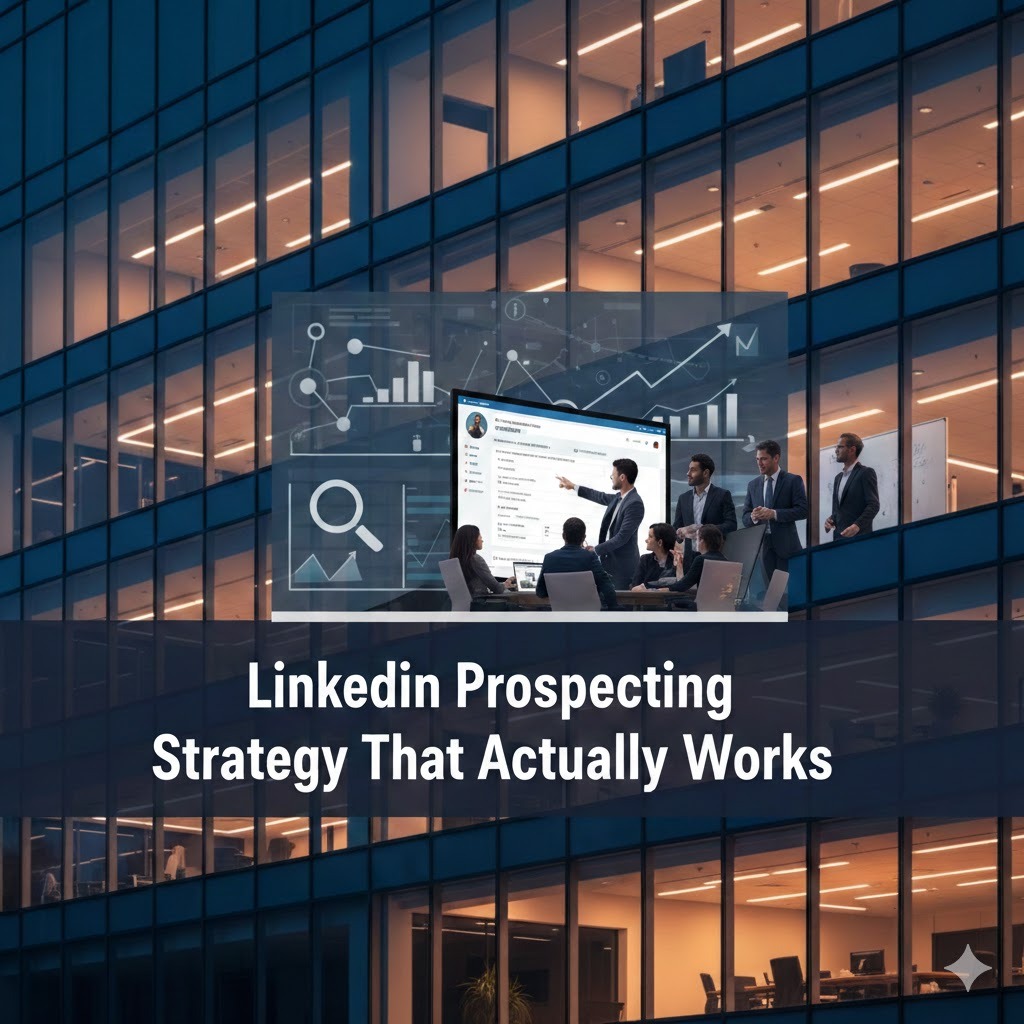
Prospecting doesn’t begin with sending requests. It starts earlier. With clarity. Who you want to reach. Why them? And what problem you actually help solve.
Without that, LinkedIn turns into a numbers game. More searches. More clicks. Less progress. A solid LinkedIn prospecting strategy slows things down just enough to get them right. You stop chasing everyone and start focusing on the few who truly fit. And that shift alone improves everything that follows.
Build Lists That Make Sense
Once your audience is clear, list building becomes easier. Not faster. Easier. LinkedIn search gives you more than enough to work with. Titles. Industries. Company size. Geography. Even growth signals. The goal isn’t to stack thousands of names. It’s to build a list where every profile feels familiar.
When you recognize patterns in roles and challenges, your outreach stops sounding generic. It starts sounding intentional. And that’s when LinkedIn lead generation begins to feel less random and more repeatable.
Manual First, Tools Second
Automation has its place. But not at the start. Manual prospecting forces you to pay attention. You read profiles, notice recent posts and see how people talk about their work. That context matters more than speed, especially in B2B.
Once the process works manually, tools can support it. Not replace it. Because tools don’t build judgment. People do.
Think in Sequences, Not Messages
A common mistake is obsessing over the “perfect” first message. But prospecting isn’t a single moment. It’s a short journey.
Connection request. Light follow-up. A value-driven nudge. Then, maybe, a conversation. Each step builds on the last. Each one lowers resistance.
When you plan this flow ahead of time, your outreach feels natural. Not rushed. And prospects respond better when they don’t feel cornered.
Quality Always Beats Volume
It’s tempting to scale early. More searches, messages and activity. But activity isn’t progressing. Five thoughtful conversations beat fifty ignored requests. Every time.
Strong prospecting leaves room for adjustment. You notice what gets replies. You change what doesn’t. Over time, patterns emerge. That’s how a strategy turns into a system.
Prospecting Is a Skill, Not a Hack
The most effective prospectors don’t rely on tricks. They rely on awareness, understand timing, read signals and respect attention. And because of that, their efforts compound.
When done right, prospecting becomes the quiet engine behind consistent LinkedIn lead generation. No pressure. No noise. Just steady conversations with the right people, moving at the right pace.
LinkedIn Outbound Lead Generation
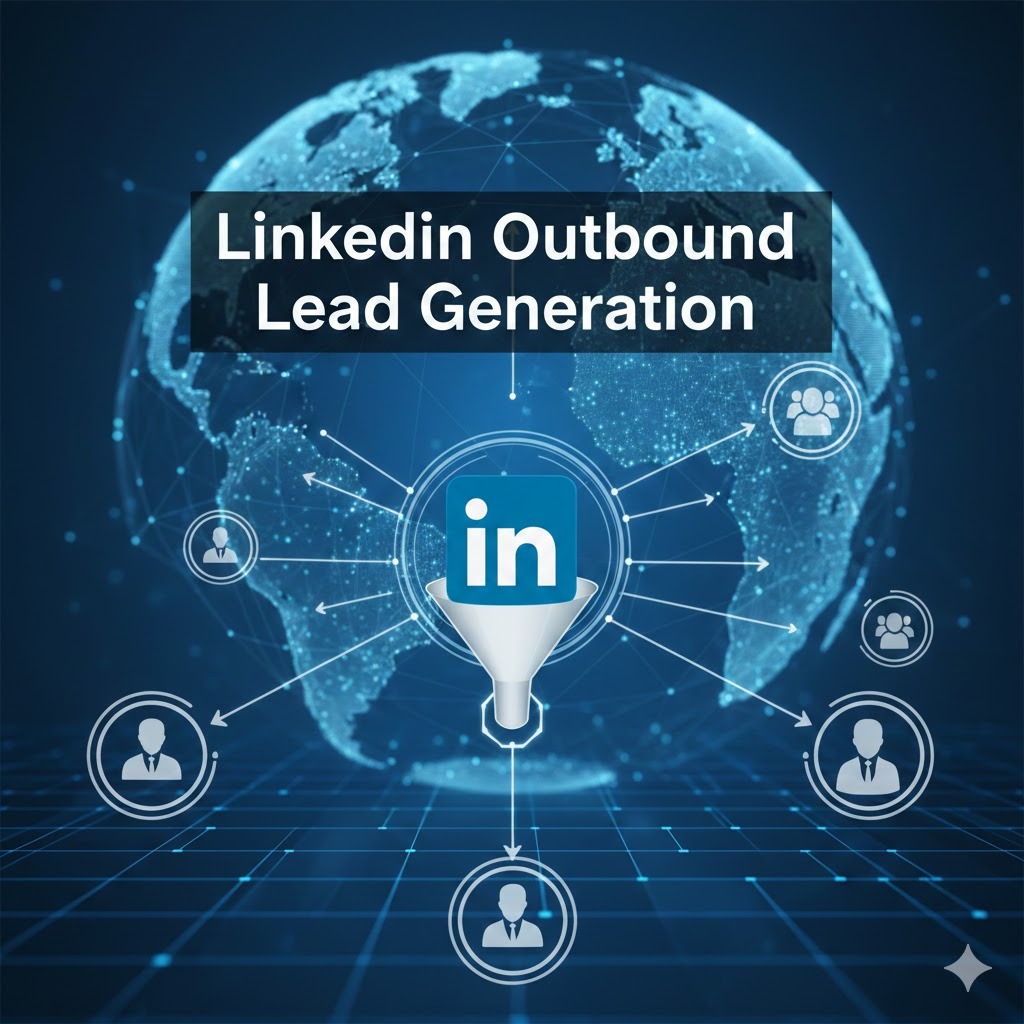
Most people think outbound begins when a message is sent. It doesn’t. It starts earlier. With context. Before reaching out, there’s a moment of observation. A quick scan of a profile. A recent post. A shared connection. Small details, but they change how the message lands. Instead of feeling cold, it feels considered. That’s the real starting point of LinkedIn outbound lead generation.
Why Cold Doesn’t Have to Feel Cold
Outbound gets a bad reputation because it’s often rushed. Messages fire off with no patience and even less relevance. And people can feel that instantly.
But when outbound is done right, it feels more like an introduction than a pitch. You’re not interrupting. You’re stepping into a space where business conversations already happen.
That’s what makes LinkedIn different. It gives you context upfront. Use it, and your outreach softens naturally.
The First Touch Sets the Tone
The connection request matters more than most think. It’s not the place to sell. It’s the place to open a door. Short works better here. Clear works best. A simple reason for connecting beats a clever hook every time. When people understand why you’re reaching out, they’re more likely to say yes. And once they do, everything else becomes easier.
Following Up Without Pushing
Silence happens. It’s part of outbound travel. But how you respond to silence defines your results. Good follow-ups don’t chase. They remind me. They add context. Sometimes they add value. Other times, they simply acknowledge timing.
Spacing matters too. A little patience goes a long way. When follow-ups feel respectful, they keep conversations alive instead of shutting them down.
When to Talk About What You Do
This is where most outbound efforts fail. They rush this step. A pitch too early creates resistance. A pitch too late loses momentum. The sweet spot sits in the middle—after some exchange, when curiosity is already present. At that point, mentioning what you do feels natural. Like the next step, not a sudden turn. This balance is what keeps LinkedIn lead generation sustainable, not exhausting.
Outbound Is a Conversation, Not a Campaign
The biggest shift is mental. Outbound isn’t a blast. It’s a series of small conversations happening over time. Some lead to meetings. Some don’t. That’s okay.
What matters is consistency. Thoughtful messages. Real listening. Small adjustments along the way. Do that, and outbound stops feeling forced. It becomes a reliable part of how you start meaningful B2B conversations on LinkedIn.
LinkedIn Outreach for Lead Generation: A Step-by-Step Flow
Outreach doesn’t work when it feels rushed. Or forced. Or scripted. It works when it feels like a conversation that was meant to happen anyway. That’s the mindset shift most teams miss.
LinkedIn outreach for lead generation isn’t about saying the right thing once. It’s about moving through small, thoughtful steps that build comfort over time. Each message has a role. Each pause has a reason. And when the flow is right, outreach stops feeling awkward and starts feeling natural. Here’s how that flow usually comes together.
Step One: Open the Door Gently
Every outreach flow begins with a connection request. Not a pitch. Not a hook. Just a reason. Short notes work best here. Mention a role. A recent post. A shared space. Something simple and real. When people understand why you’re reaching out, saying yes feels easy. This first step sets the tone for everything that follows.
Step Two: Let the Connection Breathe
Once the request is accepted, slow down. There’s no need to jump in immediately. A quick thank-you message is often enough. No selling. No questions. Just acknowledgement. This pause creates space. And space makes the next message feel welcome instead of intrusive.
Step Three: Start a Real Conversation
Now comes the first meaningful message. This is where curiosity matters more than clarity. Ask a thoughtful question. Reference a common challenge tied to their role. Or share a small insight they can react to. Keep it light. Keep it human. The goal isn’t to explain what you do. It’s to get a response.
Step Four: Add Value Before You Ask
As the conversation develops, look for moments to help. Maybe it’s an observation, a quick idea or it’s something they hadn’t considered yet. Value doesn’t need to be impressive. It just needs to be relevant. When people feel understood, trust builds quietly.
Step Five: Make the Ask Feel Natural
Only after some exchange does the ask make sense. A good question connects directly to what’s already been discussed. It’s short. Clear. And low pressure. By this point, interest either exists or it doesn’t—and that’s okay. This balance keeps LinkedIn lead generation sustainable instead of draining.
Step Six: Follow Up With Intention
Silence happens. It always does. Thoughtful follow-ups respect timing. They remind me without pushing. And they leave the door open, even if now isn’t the right moment. Because outreach isn’t about forcing outcomes. It’s about keeping conversations moving forward, one step at a time.
Generating Leads Using LinkedIn Content
Most leads don’t come from a single message. They come from familiarity. A name seen before. A thought that sounded familiar. A post that felt relevant at the right moment.
That’s where content fits in. In LinkedIn lead generation, content doesn’t replace outreach. It supports it. It softens first contact and gives people a reason to stay curious.
Why Content Changes How Outreach Lands
When someone has seen your post before, even once, your message feels different. Less cold. Less random. They may not remember every word you wrote. But they remember the tone. The clarity. The way you framed a problem they care about. That memory carries into the inbox.
This is why teams that generate leads using LinkedIn content alongside outbound see better reply rates. Not because content sells—but because it builds context.
What to Post When Leads Are the Goal
You don’t need to post every day. And you don’t need to go viral. Simple works. Observations from your work. Patterns you keep noticing. Small lessons learned the hard way. Content that explains instead of impresses.
Talk about problems before solutions. Share thinking, not features. When people recognize their own challenges in your words, trust builds quietly. And trust is what turns readers into leads.
Consistency Over Cleverness
One strong post won’t change much. Ten over time might. Consistency does the heavy lifting. Showing up regularly, even once or twice a week, keeps you visible without being loud. Over time, your name becomes familiar. Your perspective becomes expected. That’s when leads start coming in without asking for them.
Comments Matter More Than Posts
Posting is only half the work. Commenting completes it. Thoughtful comments on relevant posts put you in front of the right people without pitching. They start conversations naturally. And often, they lead to profile visits—which quietly open the door for outreach later. This approach feels human because it is. You’re joining discussions, not interrupting them.
Content and Outreach Work Best Together
Content warms. Outreach starts. Together, they move conversations forward. A prospect who’s seen your posts is more likely to reply. A prospect who replies is more likely to check your profile. And a profile backed by clear, thoughtful content builds instant credibility. That’s how LinkedIn lead generation becomes less about chasing and more about attracting.
Let Content Do the Quiet Work
Content doesn’t need to be loud to be effective. It just needs to be real. When you share consistently, engage thoughtfully, and connect your content with your outreach, leads follow naturally. Not all at once. But steadily.
And over time, LinkedIn stops feeling like a platform you post on. It becomes a place where conversations begin before you even say hello.
Conclusion
It rarely comes together all at once. More often, it builds quietly. A few better conversations. Clearer messages. Small shifts that start adding up.
That’s the real shape of LinkedIn lead generation. It’s not about hacks or speed. It’s about showing up with intent. Knowing who you’re trying to reach. Taking the time to understand them. And starting conversations that feel natural, not forced.
Along the way, some messages get ignored. Some leads stall. That’s part of it. But each interaction teaches you something. What to say less of. What to lean into more. And slowly, LinkedIn stops feeling random. Your outreach feels lighter. Your content works harder. And your pipeline starts moving in a way that actually makes sense.
In the end, the win isn’t volume. It’s clear. When your approach feels calm, consistent, and human, results follow. Not overnight. But steadily. And that’s what lasts.